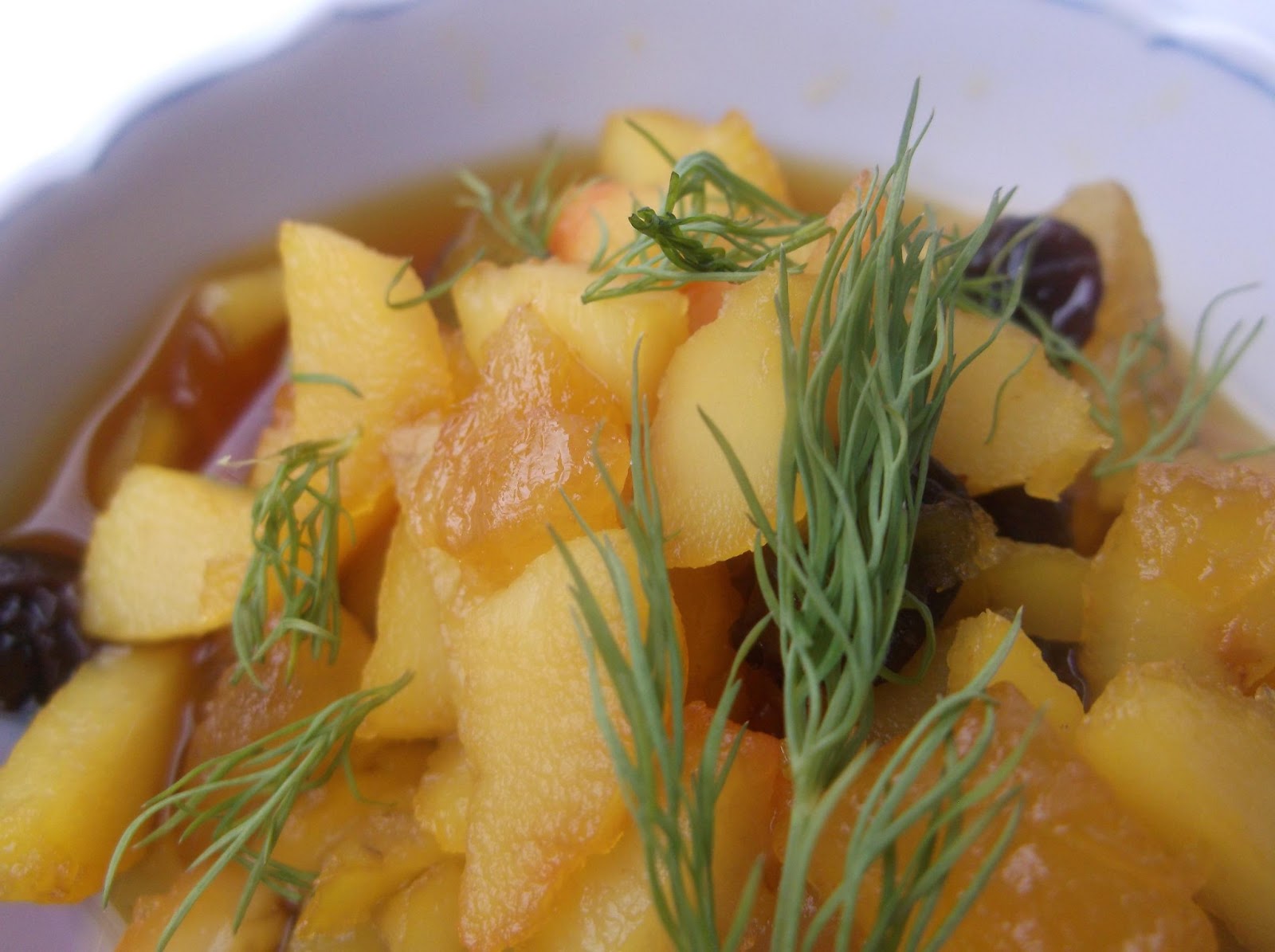
.....—some prefer apples, some onions.
An Indonesian proverb.
Onion Skins, very thin
Mild winter coming in.
Onion skins thick and tough,
Coming winter cold and rough.
An old, New England, weather adage

With the Holidays fast approaching, we will be enjoying a variety of flavors and learning as we go along. My favorite chef, Julia Child, once said that she could not imagine a world without onions and I must whole-heartily agree. One of the most intense debates, believe it or not, is the differences between onions. You will see simply the word onion in many recipes and it would be good to bear in mind some of the major differences between these garlic-cousins as we prepare meals fit for family and friends.
Onions have been enjoyed, culinarily speaking, as long as they have been used for cure-alls! When cooked in a sweetener(caramelizing), these pungent bulbs have been given as a sore throat remedy and has been said to lessen the effects of the flu right up until the early 20th century.
Simply cut an onion into 1/4-inch slices and cook over medium heat with a tablespoon of oil. After 15-20 minutes of stirring and cooking, they will be lightly browned.
 Now add 2 teaspoons granulated sugar and continue cooking an additional 5 minutes until they are golden brown. I love adding some great balsamic vinaigrette dressing drizzled over the top before adding to a grilled steak.
To neutralize the effects of dog bites and as a hair-growing tonic were just two of the benefits of onion juice many farmers relied on during the 18th and 19th century in New England.
Backing up a bit though, we find that General Ulysses Grant, commander of those "damned Yankees" during the Civil War, ordered onions to be supplied to his soldiers on the front lines because he believed they would cure dysentery. During this time, digestive disorders and liver ailments were given a reprieve by the housewives of the fighting men through the consumption of onions.
And backing up a few hundred years and beyond, the early Chinese added onions to tea for flavor AND overall good health.
It was many thousands of years ago that the Egyptians and Israelites enjoyed the taste of 'the bulb', as did ancient Greeks and Romans. .
Many folk remedies from days gone by have been shown to be of value lately, with all the research being funded around the world to alleviate illnesses and maladies the natural way. Onions are no exception. Although it would take the consumption of a small onion a day, they do contain flavonoids. These compounds act as an antioxidant, which are natures way of killing cancer(see my post on Breast Cancer.
The most powerful flavonoid found in onions is quercitin. Quercitin is found in shallots, yellow andred onions, but not in white or green onions. This flavonoid has been found to thin the blood, lower cholesterol(while elevating the HDL cholesterol), inhibits stomach caner and is on the front lines when it comes to battling hay fever, asthma, chronic bronchitis, atherosclerosis, many different infections and diabetes.
It has also been shown that some prescription drugs have the same effect as onions when controlling diabetes. It works by competing with insulin for the breakdown in the liver, which in turn, increases the life span of insulin.
As for the antibacterial properties of onions, there is much written by our ancestors and scientists alike. Onions destroy, I don't mean fight or help fight, but destroy many disease-causing pathogens, including E. coli and salmonella. The also reduce food-borne illnesses caused by microbial contamina, hence its' powerful antibiotic nature.
And lastly, but certainly not least, is the heart protection onions give to us. Some studies have shown that onions have surpassed wines' effectiveness when it comes to protecting your heart. Lowering cholesterol, inhibiting hardening of the arteries, help in maintaining blood pressure and aiding in the elasticity of blood vessels are the effects of onions on the healthiness of your heart.
Yellow Onions:
These are called cooking onions in the kitchen and are the most common onion in the chefs' repertoire. Used in soups, stews and sauces, yellow onions are perfect for caramelizing.
Spanish Onions:
 A little milder tasting than yellow, these are often eaten raw on burgers, salads and sandwiches. It is not recommended you cook with red onions because of the lack of pronounced flavor it lends to any given dish that is cooked, but spread them chopped on a hot dog and it is a bite of perfection.
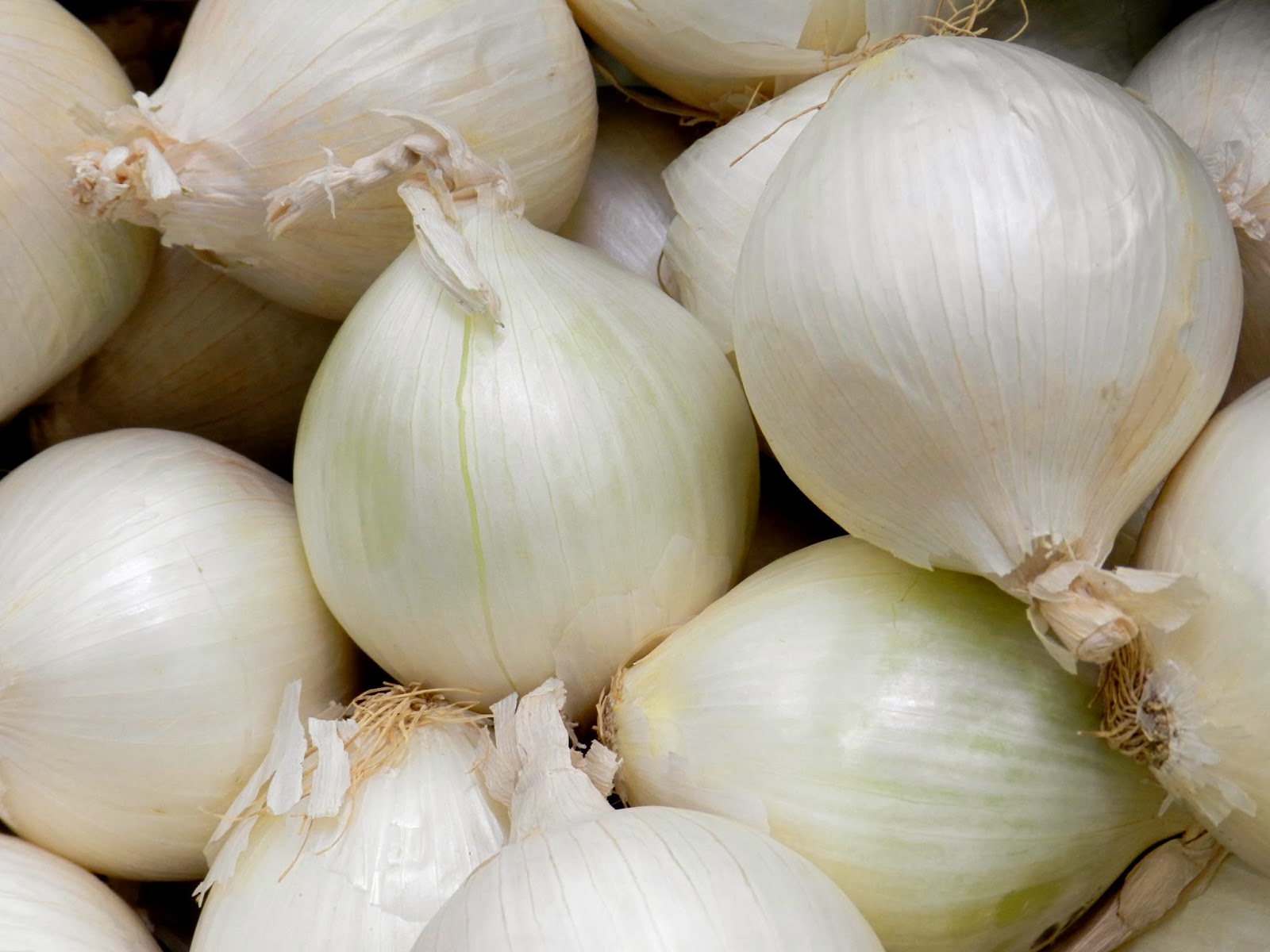
White Onions:
Second only to red onions, the mildness of these are used mainly in Mexican recipes and are interchangeable with Bermuda onions.
 Sweet Onions:
Vidalia, Texas 1015, Maui and Walla Walla are the most popular in this category. Most often eaten raw because of their sweetness, they are only available during the spring and summer for a meager couple of weeks. Make sure you purchase them as you need them, since their shelf-life is much shorter than all other onions.
Red, or Purple, Onions:

Very high in cancer-fighting flavonoids, these are often eaten raw and are slightly sweet.
Green Onions:
 Known generally as scallions, chives, spring onions and leeks, these green onions have thin white bulbs with green tops. Also known as scallions, chives or leeks, green onions have slender white bulbs and green tops. Used extensively in Asian cooking, they are also great eaten raw.
Pearl Onions:
These very small, round white onions are used widely in stews and side dishes because they hold their shape very well in a crock pot and simmering. They are chosen to be pickled above all other onions because of this ability to hold its' shape. .
Shallots:
 The French use shallots in many dishes and are gaining distinction in fine restaurants everywhere. They have a pinkish skin with a slight garlic flavor and are perfect for sauces and salad dressings.
When choosing whichever bulbous onion to use, remember to chose those with no soft spots and minus a strong smell. They are not kept well stores anywhere else than in a cool, dark and well-ventilated area. Do not refrigerate or store in plastic.
FYI: What is it that causes your eyes to tear and burn when cutting into a fresh onion? Allinase. This compound is also found in garlic and is a chemical that is present for only one purpose. To prevent herbivores at bay. Once an animal(or human)bites into garlic or an onion, allinase is released, thus causing irritation.
An Indonesian proverb.
Onion Skins, very thin
Mild winter coming in.
Onion skins thick and tough,
Coming winter cold and rough.
An old, New England, weather adage

With the Holidays fast approaching, we will be enjoying a variety of flavors and learning as we go along. My favorite chef, Julia Child, once said that she could not imagine a world without onions and I must whole-heartily agree. One of the most intense debates, believe it or not, is the differences between onions. You will see simply the word onion in many recipes and it would be good to bear in mind some of the major differences between these garlic-cousins as we prepare meals fit for family and friends.
Onions have been enjoyed, culinarily speaking, as long as they have been used for cure-alls! When cooked in a sweetener(caramelizing), these pungent bulbs have been given as a sore throat remedy and has been said to lessen the effects of the flu right up until the early 20th century.
Simply cut an onion into 1/4-inch slices and cook over medium heat with a tablespoon of oil. After 15-20 minutes of stirring and cooking, they will be lightly browned.

To neutralize the effects of dog bites and as a hair-growing tonic were just two of the benefits of onion juice many farmers relied on during the 18th and 19th century in New England.
Backing up a bit though, we find that General Ulysses Grant, commander of those "damned Yankees" during the Civil War, ordered onions to be supplied to his soldiers on the front lines because he believed they would cure dysentery. During this time, digestive disorders and liver ailments were given a reprieve by the housewives of the fighting men through the consumption of onions.
And backing up a few hundred years and beyond, the early Chinese added onions to tea for flavor AND overall good health.
It was many thousands of years ago that the Egyptians and Israelites enjoyed the taste of 'the bulb', as did ancient Greeks and Romans. .
Many folk remedies from days gone by have been shown to be of value lately, with all the research being funded around the world to alleviate illnesses and maladies the natural way. Onions are no exception. Although it would take the consumption of a small onion a day, they do contain flavonoids. These compounds act as an antioxidant, which are natures way of killing cancer(see my post on Breast Cancer.
The most powerful flavonoid found in onions is quercitin. Quercitin is found in shallots, yellow andred onions, but not in white or green onions. This flavonoid has been found to thin the blood, lower cholesterol(while elevating the HDL cholesterol), inhibits stomach caner and is on the front lines when it comes to battling hay fever, asthma, chronic bronchitis, atherosclerosis, many different infections and diabetes.
It has also been shown that some prescription drugs have the same effect as onions when controlling diabetes. It works by competing with insulin for the breakdown in the liver, which in turn, increases the life span of insulin.
As for the antibacterial properties of onions, there is much written by our ancestors and scientists alike. Onions destroy, I don't mean fight or help fight, but destroy many disease-causing pathogens, including E. coli and salmonella. The also reduce food-borne illnesses caused by microbial contamina, hence its' powerful antibiotic nature.
And lastly, but certainly not least, is the heart protection onions give to us. Some studies have shown that onions have surpassed wines' effectiveness when it comes to protecting your heart. Lowering cholesterol, inhibiting hardening of the arteries, help in maintaining blood pressure and aiding in the elasticity of blood vessels are the effects of onions on the healthiness of your heart.
Yellow Onions:
These are called cooking onions in the kitchen and are the most common onion in the chefs' repertoire. Used in soups, stews and sauces, yellow onions are perfect for caramelizing.
Spanish Onions:

White Onions:
Second only to red onions, the mildness of these are used mainly in Mexican recipes and are interchangeable with Bermuda onions.
Vidalia, Texas 1015, Maui and Walla Walla are the most popular in this category. Most often eaten raw because of their sweetness, they are only available during the spring and summer for a meager couple of weeks. Make sure you purchase them as you need them, since their shelf-life is much shorter than all other onions.
Red, or Purple, Onions:

Very high in cancer-fighting flavonoids, these are often eaten raw and are slightly sweet.
Green Onions:

Pearl Onions:
These very small, round white onions are used widely in stews and side dishes because they hold their shape very well in a crock pot and simmering. They are chosen to be pickled above all other onions because of this ability to hold its' shape. .
Shallots:

When choosing whichever bulbous onion to use, remember to chose those with no soft spots and minus a strong smell. They are not kept well stores anywhere else than in a cool, dark and well-ventilated area. Do not refrigerate or store in plastic.
FYI: What is it that causes your eyes to tear and burn when cutting into a fresh onion? Allinase. This compound is also found in garlic and is a chemical that is present for only one purpose. To prevent herbivores at bay. Once an animal(or human)bites into garlic or an onion, allinase is released, thus causing irritation.