Monday, September 21, 2015

Second National Fall Foliage Week


Welcome to the second, official year of National Fall Foliage Week, which will be held every year on the last Sunday of each September, and lasting a week. I didn't create this Holiday for marketing purposes or even to sell anything. The sole premise behind this observation is to get families together and enjoy nature at its' most beautiful.

Dedicating not only a time in September when families came together for the harvest of the winter crop, but starting on the allocated day of rest, frolic and beauty that was, and is, Sunday. Even during the 17th and 18th centuries, the people of New England put down their items of labor, went to church and spent the remainder of Sundays in repose. Those sunset tinged leaves that blanket the country side are the perfect setting for family chatter as you trapse through the countryside or simply down any tree-lined street. It was a time to relax and find out about your sons or daughters love interests or the gossip spreading through town.

You can smell the cleansing of the air as the atmosphere briskly changes from a sweater to a coat. But above all, the autumnal colors reinvigorated family togetherness, much as it does today. Keeping this splendid time of year alive through a National Holiday/Observance means keeping our past alive and our families together. It is a day when we should all take a walk among those crimson and gold leaves, above us and below, smile and talk to your kids, loved ones or simply to rid yourself of stress. Better yet, gather the family and go apple picking. This is the perfect time of year for some freshly picked apples for baking, canning("putting up" as we say here in New England)or simply eating.

As every generation goes by, we find ourselves with less and less time to do these amazingly simple things. So maybe, just maybe, a little "kick in the pants"(much like my Dad humorously did to me as we walked in the colorful woods if I slowed my pace down)is what we need in order to observe what is truly important in our lives. Beauty, nature and family.

So take at least one day out of this week to take a walk on that path you trod as a child or under the vivid hues of the leafy umbrella that once beckoned our ancestors time of harvest. But don't forget to put that roast in the oven, along with a pie or two in order to keep that amazing, comforting feeling with you as long as possible.


Sunday, September 13, 2015

In A Nutshell


Probably the briefest post I have ever written. Here is the link to all the reviews I finally just finished from my trip to Boothbay Harbor a week ago. I thoroughly enjoyed my stay and only hope I am able to attend the Boothbay Harbor Fest for many more years to come.

http://theyankeechef.com/index.php/media-links/articles-guides/45-article

http://theyankeechef.com/index.php/menu-links/72-two-must-visits


Monday, September 7, 2015

Welcome Home to Boothbay Harbor

This is the first of many posts and articles I will be writing over the next couple of weeks about a region of Maine that will leave you with an everlasting impression, Boothbay Harbor!


I have been blessed with opportunities that come from my 'kitchen' in ways that the first and second Yankee Chefs(my grandfather and father respectively) were not privy to. Because of my first cookbook, The Yankee Chef, my site and blog, as well as the large and flattering audience that is reached by my online and hard copy presence, I have been sought after as a judge throughout the United States at many festivals and cooking competitions.

I travel extensively with appearances in one genre or another, but nothing is more special than coming home.

One of my greatest pleasures is paying it forward..If there is anything I can do to promote a cause(above and beyond breast cancer awareness), I am more than happy to oblige free of charge, especially when it comes to New England cuisine. I am always available and everyone knows that.

So when the Boothbay Harbor Festival contacts me each year, it really is a "no brainah" that I am on board. And with that unintended pun of a lead-in, let me tell you about a little blip on the map here in Maine that is fast becoming a port of adoration, Boothbay Harbor.

I have literally met thousands of people from just as many backgrounds all over America. But the most genuinely pleasureable and most 'open-armed' are those that stroll the ocean-tinged walkways of this peninsula.

For 2 years, I have yet to find someone who isn't quick on the smile, followed by a sincere greeting.

I have now visited every restaurant in a 5 mile span of the foot bridge that crosses the harbor, connecting East with West. Even in an unofficial capacity and without my pink chefs coat, I was welcomed just as kindly as if I had been there as a food reviewer or judge.

I have shopped, both window and physically, at almost all the shops and store fronts on both sides of this bridge and am constantly floored by the amicable nature of everyone, and I do mean everyone. No exageration needed when one talks of Boothbay Harbor.

No matter the weather, the season or if they woke up on the wrong side of the bed, their shining personalities peek through every cloud.

The Boothbay Harbor Fest is just the emulsion(pardon a kitchen reference here and there by the way)of all goodness and decency that human nature has to offer, all mixed up in a bowl and served hot.(Okay, I will stop with the poetics and puns).

This year, not only did I sample dozens of food items from just as many restaurants, but I was privileged to have been able to see the imagination and obvious knowledge that the local bartenders have when confronted with creating original drinks using Maine alcohol, namely Cold Rivers Blueberry Vodka. This was the most amazing tasting blueberry vodka I have ever had the pleasure of tasting. And when combined with the flair of Maine bartenders in Boothbay Harbor........'Nuff said!

I base most of my opinions on certain towns and the favorability levels on how children are accepted and greeted. This place was beyond words. Although my children will be accompanying me next year, I didn't bring them along this year. But I saw multitudes of youngsters enjoying themselves as much as their parents. And when it comes to feeding the little ones? I didn't come across any restaurant that didn't extend, let alone cater to, all ages. The food was unpretentious, super affordable, simply prepared yet ranking among the finest menus found in any upscale establishment.

The Boothbay Harbor Fest is at the top of my list of events to attend every single year, regardless of my capacity of involvement.
Lori and Steve, my hosts AND the coordinators of this fun event were truly and thoroughly involved(not to mention accessible by all those who needed guidance)and it is with a huge thank you that I extend to them, as well as everyone in this coastal Eden.

So to sum this region and festival up, let me review this in a nutshell.

1. The best food for seafarers and landlubbers alike is found at every turn of the corner, and all within walking distance to each other and shopping.

2. The friendliest and most appreciative people, shop owners and employees found anywhere, hands down!

3. Although it would be very easy for these world class chefs to be pretentious and serve food that is higher priced as well as having unintelligible 10-word names usually found in "la-tee-dah" restaurants, they all cook and present food that is simply prepared, explosive in flavor, admired by adults and relished by children and all priced so that you can still do some shopping.

4. The variety of shops found downtown is varied and are equally as non-pretentious. Believe it or not, I even found a part for my vehicle on a Sunday at the local marina.

5. The Scenery. Every single business is either on the water or within a few dozen foot steps. The smell of the ocean literally follows you from store front to shop. Fabulous!


In closing? I could go on and on but I would only be repeating what I have already said, but in more flattering terms.

If you are in Maine during Labor Day every year........

Come home to Boothbay Harbor
It's Just That Simple!


Sunday, August 30, 2015

It's That Time Of Year Again

Apple Season is now upon us here in New England and what better way to get the apple rolling than some original, Yankee recipes using our favorite orchard fruit? Having spent a few hours at Treworgy's Orchard here in Levant, Maine, I came away with some fantastic apples and I highly urge all to take a trip, even if you have to drive a little ways. This place is perfect if you have little ones. Check them out at http://treworgyorchards.com/. Check out their corn maze this year, such fun.


Without going on and on(much like I did in my previous post), let's start peeling. And if you have any questions about certain apples for any recipe you are preparing, simply ask them. They are the single friendliest people as well as 100% child friendly, which is the mitigating factor for me visiting year after year.

Crunchy Apple Crisp Bites

These little treats are perfect for that after school snack, sitting on the deck at twilight or curled up watching your favorite movie. The coating is a little tricky but by placing some of the oat mixture in the palm of your hand, then an apple piece, topped with more oats, simply squash together with both hands while rotating the apple a couple of times.


1/4 cup brown sugar
3 tablespoons flour
1/2 cup rolled oats
1/2 teaspoon each cinnamon and nutmeg
1 tablespoon butter or margarine, melted
2 egg whites
1 firm apple, peeled, cored and quartered
Whipped topping

Preheat oven to 350-degrees F. In a shallow bowl, combine sugar, flour, oats, cinnamon and nutmeg. Add the butter and mix until all dry ingredients are moistened. Add egg whites to a shallow bowl and whisk well. Cut apple quarters into 4 evenly sized pieces, about an inch on all sides. Add a quarter of the apple slices into egg whites, stir to coat. Lifting out one apple piece at a time, shake excess egg white off and dip in oat mixture. Press dry coating into all sides of apple firmly and place on a dry baking sheet. Continue until all apples are coated. Bake 13-15 minutes, or until apple is softened when pressed and the coating has become crispy, turning over halfway through baking to brown on all sides. Remove from oven and serve warm with whipped topping for dipping.

Enough for 2


Spiced Wine-Poached Apples

My favorite vehicle for these poached apples is a simply grilled pork chops and unpretentious, freshly cooked green beans. But if I were to enjoy these wine-infused apples as a dessert, the answer is yet another simple presentation.....ladled hot over real vanilla bean ice cream.

2 firm, tart apples, such as Granny Smith
1 cup red wine *
2 tablespoons chopped, candied or crystallized ginger
1 tablespoon brown sugar
1/4 teaspoon nutmeg

Peel, core and cut apples in 8 wedges each. Place apples in a large bowl, add remainder of ingredients and toss to combine well. Cover and refrigerate for one hour, stirring frequently. Transfer apple mixture to a large skillet over low heat. Once the wine is hot and slightly simmering, let apples cook until they are crisp tender, about 15-17 minutes. Remove apples with a slotted spoon to enjoy over your protein or ice cream.

*Red Bordeaux, red Beaujolais or Pinot Noir are highly recommended for this recipe.
 

Grilled Pork with Golden Cider Gravy


Although hard apple cider is less sweet(ordinarily)than non-alcoholic apple cider, you can substitute one for the other in this recipe. Simply add a pinch or two of salt over pork before cooking if desired. The hard apple cider, I might add, will tenderize the pork much more efficiently than ordinary cider.

1(12-ounce)bottle hard apple cider
2 tablespoons lemon juice
4(6-ounce)boneless pork chops
3 tablespoons butter or margarine, divided
2 tart apples, peeled, cored and cut into 10-12 wedges
1 cup cooked carrot slices
1/2 cup vegetable broth
2 tablespoons maple syrup
2 teaspoons cornstarch
4 cups California style vegetables
 

In a large, shallow bowl, blend cider and lemon juice. Add pork chops, cover with film wrap and refrigerate at least 4 hours. Turn chops a couple times while marinating. Melt half the butter in a large skillet over medium-high heat. Add apple wedges and cook about 6-7 minutes, or until browned and almost completely tender. Remove pan from heat and set aside.

Meanwhile, remove pork from marinade onto a plate; set pork aside. Transfer marinade to a blender or food processor with the cooked carrots, vegetable broth, maple syrup and cornstarch. Pulse on high until as smooth as possible. Transfer to a saucepan and boil over medium-high heat until reduced by half. Add reduced marinade to skillet with cooked apples and bring to a simmer while cooking pork.

Add remainder of butter to a large skillet over medium heat and cook pork until no longer pink in the middle. Heat California-style vegetables until hot according to package directions. Serve 1 pork chop per person, topped with a quarter of the cooked apples in Golden Cider Gravy and equal amounts of vegetables.


Baked Sour Apple Piroshki


Okay, okay! I know I have repeatedly 'repeated' that I would not use alcohol in recipes because of my love of everyone(especially children)enjoying my recipes. But I had a weak moment and being a Yankee, I adore anything apple. So, because I thought our beloved Apple Jack liquor would be far too potent for this Russian street food, I chose the deliciously different apple liqueur. For those of you who do not want any alcohol, simply replace with melted, whisked apple jelly or even mint jelly.

1 cup warm apple juice
1/4 cup brown sugar, divided
1(.25-ounce)envelope dry yeast
2 cups diced, sweet apples
1/4 cup apple liqueur*
2 1/4 cups flour, divided
1 tablespoon oil
1 teaspoon salt
Nonstick cooking spray
1 egg, beaten

 In a large bowl, add apple juice, 2 tablespoons brown sugar and yeast. Stir well and let sit 10 minutes. Meanwhile, in a medium saucepan, add diced apples and enough water to cover. Over medium heat, cook until apples are crisp tender, about 5 minutes. Remove, strain, transfer to a bowl. Stir in apple liqueur and refrigerate until needed.

After 10 minutes, stir 2 cups flour, oil and salt in the yeast mixture. Using a wooden spoon, continue stirring until it begins leaving the side of the bowl. Loosely cover with a cloth and place in a warm spot to rise for about an hour, or until almost double in bulk. On a well floured work surface, empty dough and knead for 2-3 minutes, or until elastic feeling and it is no longer sticky. Divide into 12 equal pieces. Grease a baking pan with nonstick cooking spray; set aside. Remove cooked apples from refrigerator and stir in apple liqueur; set aside.

Flatten out a dough ball until it is about 3 inches in diameter. Place a tablespoon of apple mixture in the center and pinch until it is sealed. Place, sealed side down, on prepared baking pan. Repeat with remainder of dough and apple mixture, leaving 3 inches between each filled dough ball. Brush the top of each with beaten egg and place in cold oven. Turn heat to 350-degrees F and bake 30-32 minutes, or until lightly browned on top. The filling may ooze out on top, but that is fine. Remove from oven to a plate or rack to cool slightly before serving or cool completely.
This is just the beginning. A couple more trips to Treworgy's over the next couple weeks will certainly result in more Yanked recipes.


Thursday, August 20, 2015

As New England as Apple.......Just Apples!


Apples have been more closely associated with New England than any other fruit and any other state, second only to pumpkin. Our Yankee heritage was literally raised on everything apple. From cider(hard and "soft")to sauce to pies, apples(in the form of applesauce) were even used in place of fat in cakes much of the time, as we have just "rediscovered".

Two of the favorites among the Puritans and colonists in New England was "apple sass" and dried apple pie. "Apple Sass" was a dish that was exactly the same as making apple butter(see below) but was stopped in the middle stages. It was always made in the fall and kept in a barrel right outside the front door so that any child, when told to do so, would simply open the door and scrape out a chunk of frozen "apple sass", bring it in and everyone would enjoy it once thawed.

Dried apples were made into pies when it was off season. It was dried as pumpkin, peeled and thinly sliced before stringing on a long twine to hang above the fireplace mantel to dry. When a pie was ready to make, they would be taken down, boiled in water to hydrate and made into pie, cobbler, crisp, Betty or a wide range of goodies.

There have been many myths about when apples were first brought to America and by whom. Many still believe that it was Johnny Appleseed or some botanist in New York who first planted cultivated apple trees. Neither, of course, is true. Although many of you may find this a little boring, being a book-a-holic and a lifelong lover of anything New England, I love to spread the word about anything Yankee, and apples just happens to be part of who we are.

Crabapples have been part of the original(Native)Americans diet long before we set foot on these shores. Sure, we have all tasted them, but most of us have spit it out just as fast. Sour, bland and even astringent can be easily attributed to many species of these small apples.

In order to overcome this, the Indians used to throw them in the fire, as is, and let them roast until fairly soft. Taking them out to cool and eating them as is was truly a sweet treat in the days of no sugar. Over time, even before the landing of any European, apples were stewed with fish and game, along with pumpkins and edible greens found growing abundantly everywhere.

This is not to say that sweeter, larger wild apple varieties didn't grow on these shores before the arrival of the English. Although all historians concur that sweet apples were not to be found, this is untrue. See the story of the Baldwin apple below. If the Baldwin apple was found, surely there had to have been at least on other type of sweet apple growing in the wilderness of the East coast.

It is averred to by historians over and over again that Europeans brought apple seeds and seedlings to Virginia first before these larger, sweeter apples made their way to New England. Let me set the record straight.
Will Blackstone

Although we may give John Chapman(Johnny Appleseed)credit for spreading apple seeds in the central Atlantic coast and Illinois at the beginning of the 1800s, he is almost 2 centuries later than the original Johnny Appleseed, a man named William Blackstone.

William arrived in late 1622, when the flood of Europeans was just starting to swell, and when he set food on this new land, he had crossed the Atlantic with a few pouches of apple pips(seeds). Starting on Beacon Hill in Boston, he traveled south to Rhode Island, burying these seeds along the way and once he reached Rhode Island, he began planting orchards there as well.
The first type of apple planted by William? The Roxbury Russet!

Roxbury Russet
The main reason for him(as well; as all other planters)to start growing apples? For cider.It is amusing as to how William came across all these apple seeds. He simply started by saving all the apple cores from friends and family back in England, and even kept all the apple cores from his fellow ship mates on the way here.

Now we have a man planting apple seeds in New England in 1622, but we also have record of "winter banana" or "melt-in-your-mouth" orchards(the general term for apples during this
time) being planted in Virginia at the same time.                                                                                                                     

In December, 1622, the Council of the Virginia Company in England addressing the Governor of Virgina, sent this communication on board either the Discovery, Bona Nova or the Hopewell.

"Wee haue by this Shipp and the Discouerie sent you diurs [divers] sortes of seedes, and fruit trees, as also Pidgeons, Connies, Peacockes Maistiues [Mastiffs], and Beehives, as you shall by the invoice pceiue [perceive]; the preservation & encrease whereof we respond vnto you…"

The main reason, at the time, to transport beehives to this new land was for the growth of apple trees.

Many historians will relate that even though apple seeds and saplings were brought to this new country, we didn't start growing apple trees for a number of years because there were no "white mans flies" indigenous to North America. "White man's flies" were what the Indians(according to Thomas Jefferson) called honey bees. We know that to be wrong now.

The immigrants DID bring honey bees with them, for they knew that without honey bees, there would be no apples, hence no cider. And a Yankee with no cider is like a dog with no bark.

The Native Americans were not without their own bee population however. For centuries, the Indians collected honey from nests by using smoke to sedate the swarms in order to reach in and pull out this sweet nectar

There is record after record of "skeps" and "gums" being part of the store on board almost all ocean-born ships on their way to New England,. Skeps were simply woven, straw baskets with a dome lid(resembling a hive actually) that housed honeybees.

The same with "gums". This was a more sturdy bee 'keeper' that was a 3 foot length of tree that was hollowed out almost all the way to one end, resembling a large pail. Plugging the open end once the bees were caught and placed inside, this would safely transport honeybees here to New England.

Another early record of apple seeds or seedlings being brought over here to New England was late 1628, early 1629, when Governor John Endicott requested(on behalf of the Boston Bay Company):

"Vine-planters, wheat, rye, barley, oats, a hogshead of each in the ear: beans, pease, stones of all sorts of fruits, as peaches, plums, filberts, cherries: pear, apple, quince kernels: pomegranates, woad seed, saffron heads, liquorice seed, madder roots, potatoes, hop-roots, hemp seed, flax seed, currant plants, and madder seeds." But no mention of bees, therefore it is only strongly speculated that the colony had their fair share of honeybees ready to pollinate."

By 1640, apple orchards were everywhere throughout the land, and the Natives were beginning to understand the importance of this fruit as well.

By 1650, the swarms of bees had made their way to Connecticut and Pennsylvania, pollinating many apple trees.

Over the years, orchards were slowly becoming a business venture for some. In 1737, Robert Prince established the first apple orchard solely for commercial use in New York. It was so important of a crop that the British even posted armed guards around the perimeter of this nursery to prevent Americans from seizing it.

It wasn't until the first quarter of the 19th century that the Pacific Northwest saw their own apple trees. A Captain Aemilius Simmons was given some apple seeds by a young lady in England to plant in this part of America.


Some lore regarding apples are interesting to note as well. Apple boughs, much like pine boughs during Christmas, were hung above the entryway of homes to bless the family with good luck year round. Women used to cut apples cross-wise and offered one half to their prospective "beau to be", in order to hurry the attraction.
-The Irish tradition of La mas nbbal(the feast of gathering apples) took place on Halloween, which included apple cider which had apples floating on top. People would take an apple out and eat if for good luck. This was the beginning of Bobbing For Apples, commonly seen here in America to this day.


-We all know of the ancient New England rite of wassailing, but in England, wassailing the apple trees was a common practice. The English would toast the most productive of all apple trees growing on their property by reciting the following verses three times, while enjoying hot cider and cakes, ensuring apple prosperity for years to come. This was an annual event well into the 1900s:


"Here’s to thee, old apple tree!"
Whence thou mays’t bud, and whence thou mays’t blow,
Hats full! Caps full! Bushel-bushel-bags full!
And my pockets full, too! Huzza!"

"Wassaile the trees, that they may beare,
You many a Plum and many a Peare,
For more or lesse fruits they will bring,
As you do give them Wassailing
."


-Have you even heard of the term upper crust? That, too, is a Yankee original. In Puritan times, when ground flour was not as abundant as decades to follow, crusts for pies was used in a utilitarian fashion. That is, only the bottom crust was made for an apple pie, to prevent sticking and to actually make a pie, rather than a concoction of stewed apples. Anyone lucky enough, or rich enough, to obtain more flour were able to form a top crust, or upper crust, for their pies. 


We all also know that the sole purpose of growing apples in the very beginning colonization of this land was for the cider but it was also a product of choice for bartering for other home staples when the need arose.

By 1796, the famous Amelia Simmons, in the first American cookbook, American Cookery says;

From Amelia's Book

"Apples are still more various, yet rigidly retain their own species, and are highly useful in families, and ought to be more universally cultivated, excepting in the compactest cities. There is not a single family but might set a tree in some otherwise useless spot, which might serve the two fold use of shade and fruit; on which 12 or 14 kinds of fruit trees might easily be engrafted, and essentially preserve the orchard from the intrusions of boys, &c. which is too common in America.

If the boy who thus planted a tree, and guarded and protected it in a useless corner, and carefully engrafted different fruits, was to be indulged free access into orchards, whilst the neglectful boy was prohibited--how many millions of fruit trees would spring into growth--and what a saving to the union. The net saving would in time extinguish the public debt, and enrich our cookery."


During the same decade, Samuel Deane expounded how to preserve apples in his New England Farmer;
"I gather them about noon on the day of the full of the moon which happens in the latter part of September, or beginning of October. Then spread them in a chamber, or garret, where they lie till about the last of November. Then, at a time when the weather is dry, remove them into casks, or boxes, in the cellar, out of the way of the frosts; but I prefer a cool part of the cellar. With this management, I find I can keep them till the last of May, so well that not one in fifty will rot...

"In the Autumn of 1793, I packed apples in the shavings of pine, so that they scarcely touched one another. They kept well till some time in May following; though they were a sort which are mellow for eating in December. Dry sawdust might perhaps answer the end as well. Some barrel them up, and keep them through the Winter in upper rooms, covering them with blankets or mats, to prevent freezing. Dry places are best for them."


Another utilitarian feature of apple cider was the storage. It was easily able to be kept all year round without fear of spoilage.

The Farmers Assistant, 1820:

"Cider may be kept for years in casks, without fermenting, by burying them deeply under ground, or immersing them in spring water; and when taken up the cider will be very fine.


An 1840 political campaign
Some other references from the same book:

"A drink, called cider-royal, is made of the best runing of the cheese, well clarified, with six or eight gallons of French brandy, or good cider brandy, added to a barrel: Let the vessel be filled full, bunged tight, and set in a cool cellar, and in the course of a twelvemonth it will be a fine drink. If good rectified whiskey be used, instead of brandy, it will answer very well.

"A quart of honey, or molasses, and a quart of brandy, or other spirits, added to a barrel of cider, will improve the liquor very much, and will restore that which has become too flat and insipid. To prevent its becoming pricked, or to cure it when it is so, put a little pearl-ashes, or other mild alkali, into the cask. A lump of chalk broken in pieces, and thrown in, is also good. Salt of tartar, when the cider is about to be used, is also recommended.

"To refine cider, and give it a fine amber-color, the following method is much approved of. Take the whites of 6 eggs, with a handful of fine beach sand, washed clean; stir them well together; then boil a quart of molasses down to a candy, and cool it by pouring in cider, and put this, together with the eggs and sand, into a barrel of cider, and mix the whole well together. When thus managed, it will keep for many years. Molasses alone will also refine cider, and give it a higher color; but, to prevent the molasses making it prick, let an equal quantity of brandy be added to it. Skim-milk, with some lime slacked in it, and mixed with it, or with the white of eggs with the shells broken in, is also good for clarifying all liquors, when well mixed with them. A piece of fresh bloody meat, put into the cask, will also refine the liquor and serve tor it to feed on.


A truly American dish is Apple Butter.
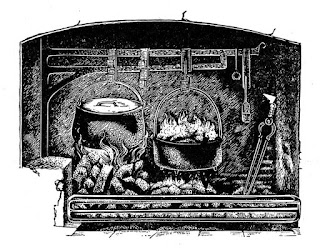
It was a full day affair to put up a good amount of this tasty treat in the early days. Good, solid, blemish-free apples(much like the apples needed for cider) were ground by a homemade apple grinder that was powered by horse. This grinder was set on a wooden platform and as the apples were ground, the pulp was sandwiched in dried grass or straw. It was then covered with wooden planks and pressed to extract as much juice as possible. The pulp was given to their domesticated animals while the cider was boiled...and boiled...and boiled...in big copper kettles.

When it was thick, it was placed in another kettle next to it over the fire while more cider was replenished in the large kettle. At the end of the day, when all the cider was boiled down to the consistency of molasses, sometimes even thicker, more apples were peeled, cored and cut up small to add to this thick "sauce".

For the next 8-10 hours, whenever the apples boiled down to thicken this sauce even further, more cut apples were added, constantly stirring over the fire so it would not scorch. When the apple butter was dark brown and too thick to stir anymore, work was done. By this time the apple butter was said to be thick enough to slice and the sugar content allowed this apple butter to keep well over a year in their root cellar.

Here is a recipe from 1839, found in The Kentucky Housewife:

"10 gallons of water
6 gallons of the best molasses
8 bushels of apples
1 pound mixed spice-cloves, allspice, cinnamon and nutmeg

 To ten gallons of water add six gallons of the best molasses, mixing them well together. Put it into a large kettle over a good fire. Let it come to a hard boil, and skim it as long as any scum continues to rise. Take out half the liquid, and put it into a tub

Have ready eight bushels of fine sound apples, pared, cored and quartered. Throw them gradually into the liquid that is still boiling on the fire. Let it continue to boil hard, and as it thickens, add by degrees the other half of the molasses and water, (that which has been put into the tub.). Stir it frequently to prevent its scorching, and to make it of equal consistence throughout. Boil it ten or twelve hours, continuing to stir it

At night take it out of the kettle, and set it in tubs to cool; covering it carefully. Wash out the kettle and wipe it very dry. Next morning boil the apple butter six or eight hours longer; it should boil eighteen homs altogether. Half an hour before you take it finally out, stir in a pound of mixed spice; cloves, allspice, cinnamon, and nutmeg, all finely powdered. When entirely done, put up the apple butter in stone or earthen jars. It will keep a year or more."

Baldwin Apple
 
Another leading apple in New England was the Baldwin. It remained revered by Yankees until the bitter cold winter of 1934, when well over a million trees succumbed to the bitter cold and died. The Baldwin apple was obtainable, but at a huge price. It was during this time that the current favorite among Yankees, the McIntosh, began to gain popularity.

The Baldwin apple was found growing wild near a place called Wood Hill in Williamton,
Col. Loammi Baldwin
Massachusetts by Will Butler, the son of the original settler of that town. It was about 1725 that this tree was discovered right on his own lawn, and there sits a monument to this day commemorating it. Sadly, this tree fell in 1816, due to a gale.

The Baldwin was originally called the Woodpecker, because the tree was filled with holes from woodpeckers. The name then changed to the Butters apple, after a certain Mr. Butters who purchased this farm a generation or two later. Mr. Butters gave one of these apples to Col. Loammi Baldwin, who propagated it and spread this perfect cider apple throughout Massachusetts.

To add insult to injury, the bitterly cold winter of 1934 wiped out many of the apple orchards in New England, including the Baldwin. But for some reason, the McIntosh withstood this harsh winter and thrived to become New England's favorite apple.


Find below, some of the most beloved of all New England apple desserts, from the very beginning..

Pandowdy, some say from pandoulde, meaning custard from a pan, was a popular New England dessert of old. The true meaning, however, comes from the fact that the top was dowdied, or cut up, after baking.

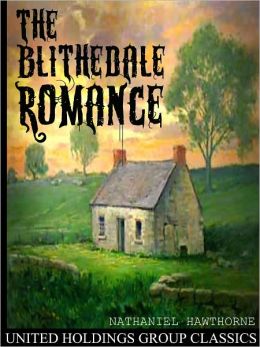
Nathaniel Hawthorne even immortalized it in his The Blithedale Romance(1852):

"Hollingsworth [would] fill my plate from the great dish of pan-dowdy."

Apple Brown Betty uses bread as a crunch topping and is yet another Yankee original. See my recipe at theyankeechef.com.

Apple Cobbler, again see theyankeechef.com, is so maligned that I fear the true preparation is lost. It should be baked with a biscuit topping, shaped to resemble a cobblestone street on top.

Apple Crisp is generally made with a crispy rolled oat topping, but is equally pleasant with a flour/sugar/butter mixture. As long as it lives up to the moniker, crisp.

Apple Grunts or Slumps is classically a steamed pudding, but now has transformed into a baked, or even stove top, dessert. As long as it lives up to the original meaning, it can be a true Grunt of Slump. The meaning? It was so named because of the grunt sound it makes when cooking or because it slumps down(reduces)when cooking.

Apple Buckle is simply fruit and a cake mix stirred together and baked. It is called Buckle because the dough seems to "buckle under", or give in to all the fruit while baking.

Apple Charlotte. A tough meaning to convey so I will simply tell you that if it isn't made with bread, it isn't a true Charlotte. See my recipe at theyankeechef.com.


And I must add one last item. Apple Jack, the original Apple Jack, not that mass produced alcohol. It was also called Jersey Lightning because during the colonial era, road crews were paid with this very hard rendition of apple cider. It was the Yankee answer to the Southerner's White Lightning, and much more potent. Hard cider was frozen in the winter time. What didn't freeze was siphoned off and put aside to freeze again. This was repeated 1 more time and what was left was as pure a homemade alcohol as you were able to make. And talk about a kick in the pants......

Monday, July 27, 2015

Chokecherries and Crabapples.....Remember?

I remember as a child here in Maine that two of my favorite wild foods to eat were those little garnet-colored chokecherries and crabapples.

It seems as though they grew everywhere and whenever we were outdoors playing, no matter where we were, we didn't have to look far to eat either of them. Heck, the natives as well as our forefathers and mothers used chokecherries from everything from pemmican(a dried concoction often eaten on long trips) to stews. Tea was even made from the bark and leaves of chokecherries, even though modern historians and scientists have proclaimed the leaves to be toxic.

Chokecherries are said to be inedible by many people who write recipes or "informative" stories about them, so it is obvious they have never TRIED them before writing their words of wisdom. Certainly they are quite tart, sour, astringent and mouth-puckering, but wasn't that the whole fun of eating them as a child?  I never know of any friend of mine growing up that ever got sick from them.


Crabapples are another one of those childhood favorites, much like the man-made Sour Patch gummy candies or the sour tasting Warheads of todays generation.
The genesis of our cultivated apple, the flower of crabapple trees are an everlasting tribute to my childhood memories and a graceful addition to many landscapes, both in the wild and at home with their twisted branches and wild look, along with their tolerance to severe New England conditions.
 
You will find many recipes using both chokecherries and crabapples but one thing to bear in mind. When using either, especially crabapples, always make sure you use apple cider or juice with them, or you will have one dish that will dry your mouth out worse than alum. And make sure you peel and cut the apples directly into the recipe. Crabapples oxidize(brown) faster than........(you fell in the rest).


Crabapple Barbecued Pulled Pork

I know. I know, crabapples are hard to find now-a-days, but I urge those of you who are able to find them, to use them here. They add a special touch that no other apple can employ. But if all else fails, find the tartest apples you can find, such as Granny Smiths, Suncrisps, Staymans, Gravensteins and Winesaps.


1 quart hard or regular apple cider or apple juice
1 cup ketchup
1/2 cup brown sugar
3 tablespoons molasses
1 teaspoon each onion and garlic powder
1/2 teaspoon each salt, black pepper and cinnamon
1 (2-pound) pork tenderloin
1 large onion, thinly sliced
1 1/2 cups diced crabapples *
1(6-ounce)can tomato paste
6 rolls or your choice, toasted

Whisk together first 6 ingredients and add to a crockpot along with the pork and onion. Cover and let simmer on low for 4-6 hours, or until falling apart tender. When there is an hour left, add apples. Remove pork and onions with a slotted spoon into a large bowl and shred with a fork. The apples will have reduced to little bits so leave them in liquid. Transfer this liquid from crockpot to a saucepan and bring to a boil over medium-high heat. Stir in tomato paste and continue boiling for a minute or two, or until everything is well combined and sauce has thickened slightly. Add shredded pork and onions back into sauce, mix thoroughly and scoop out to mound on prepared rolls. Serve with additional sauce if there is any.

* Or use 2 large, tart apples that have been peeled, cored, and diced.

Note: Make this recipe by braising as well, which lends a crispier texture. Simply whisk the first 6 ingredients together and pour over the pork that has been set in a high-sided pan, with a rack underneath to prevent scorching on bottom. Spread the apples and onions over the pork, cover with foil and braise 2 1/2 to 3 hours, or until very tender. Remove pork and onions, shredding pork as directed and mixing them with the pan juices. Omit the tomato paste or transfer pan juices to saucepan, whisk in the paste and bring to a boil before mixing with pork and onions.

Thursday, July 23, 2015

To Scream or Not to Scream


I must give major kudos to TVTeddy at Twitter (https://twitter.com/TVTEDDY/status/623197472245067776/photo/1) for opeing this discussion about a deplorable situation that simply didn't need to happen. Thanks for opeing up this level-headed dialogue, regardless of some of the responses I have read, again thank you Teddy  .

I have been asked repeatedly to weigh in on the viral story of Darla Neugebauer, owner of Marcy's Diner on Oak Street, Portland, Maine who was heard screaming at a 21 month old child.

I'm not going to mince words here because I feel trying to 'cave-in' to one side or the other, or both, makes my comments mute. In a nutshell, for those of you who are unaware of this story, we have a couple from New York, Tara Carson, her husband and child, go into Marcy's Diner for breakfast. The food they order is completely and utterly irrelevant to the story and will not be repeated here, although Darla uses it as an excuse for her tyrant of obscenities. Tara's wait time for her food is highly relevant however.

Owner Carla Neugebauer

During the 40-45 minute wait time for their food, their child was becoming increasingly rambunctious and even may have been irritable, as all parents are keenly aware. The child may have even started becoming disruptive, although there has not been one statement from existing customers that this was the case.

Apparently the owner herself felt the need to belittle, demean and scream obscenities at both the parents AND the child AND came over to their table, throwing down take-out containers with a few less than nice comments about Tara and her family leaving the restaurant. This can be seen at http://www.thedailymeal.com/news/eat/maine-restaurant-owner-screams-child-prompting-outrage-restaurant-owner-screams-child-horrifies/072115


I will put blame on the parents on one point, NONE on the child and the rest on the obvious(from my perspective) issues of Darla.

                                                  Tara Carson. (Photo Credit: KVUE)
If the child was, indeed, to the point of being disruptive, then the parents certainly should have realized such and taken the first step to remove themselves so that others could enjoy their culinary repose.

Now having said that, I am 'biting at the bit' to say something about the owner. I have been in many public venues where newborns, toddlers and children have been disruptive, and the first thing that I remember and tell myself is that a child is just a child. As long as the parents realize that their child is either disruptive or may become so and are acting appropriately with others in mind, then the issue is resolved. If they are not, then it is incumbent upon me to remove MYSELF from the "site of distress".

The owner felt as though, apparently, her other customers would never come back if she didn't control the situation her own way. Really? That is insane!!! I will go out of my way to never visit that diner and can safely assume others feel the same way. Now which option is common sense?

For all of you who agree that the Carla's comments and tantrum were just and appropriate, I am at a complete loss of words. That is only one step below the morality scale on how she actually handled this.


Here is the link to each party's response.

https://twitter.com/TVTEDDY/status/623197472245067776/photo/1


It would have been far more appropriate for Carla to have cooled down a bit, sent another employee over and brought one of the parents aside to explain that their child was causing a disturbance(if the baby actually was)and to please try to rectify it. While the staff could have done more to help the family out by possibly satiating the child(if needed)with some crackers or something or cooking the meal ahead of others but chose not to, they aggravated the situation. And don't tell me that could not have been done. I have done that hundreds of times in my career, as my father and grandfather have since 1918. It is a matter or WANTING to.

Certainly is isn't incumbent upon the staff to help, but it sure would have been a decent thing to do. But as sad as it is nowadays, people would rather allow drama in their lives than to try and prevent it.

Bottom line. We cannot, nor should we even try, to legislate morality. There will always be that one sour apple in the bunch and we need to learn to live with it. Although the owners actions were unforeseeable and inexcusable, it would have been wise to remove yourself from a situation that is easily inflated, especially in todays "me me me" world.

But what supersedes that thought is the entirely demeaning way in which the owner tried to solve the problem. As mentioned, the parents could have been dealt with on the side or in a much more dignified manner to begin with, ONLY if there was a true issue.

It looks as though the owner has either an anger issue or something emotional is off kilter because anyone who swears or screams at a child, any child, knows that a child cannot defend him or herself. So in their mind, they won the fight. They feel so ill of themselves that they take it out on others and try to bring others to their level or attempt to make themselves look better in the eyes of those around them. Hmmm........I am sure psychologists and psychiatrists have a word for that.

Certainly there is nothing illegal about this episode and we should not try to bring anything into this that doesn't belong. It is purely and simply a moral issue and a life lesson. There will always be idiots among us.


Now if I have missed something here, than certainly I will alter my opinion because parents should act as such and not make their child out to be any more special than anyone else. As more comes out, than I will change my opinion but I still think there are other ways of dealing with this than hollering out obscenities at a child, IF she indeed did do that.


To Carla personally.

One of the first lessons we learn as a cook, or even a restaurant owner, is how to deal with patrons, regardless of the issue. Cooks, especially, need to keep their psych on an even keel, not act in a demeanor that is perceived as psychotic. If you had a child that was screamed at in the manner you did, how would you feel? Would you sit back and take it?

Show your employees restraint and compassion. It is a shame we even need to teach this, but because some bosses choose NOT to set a precedent to their staff, we need to. Shameful.